
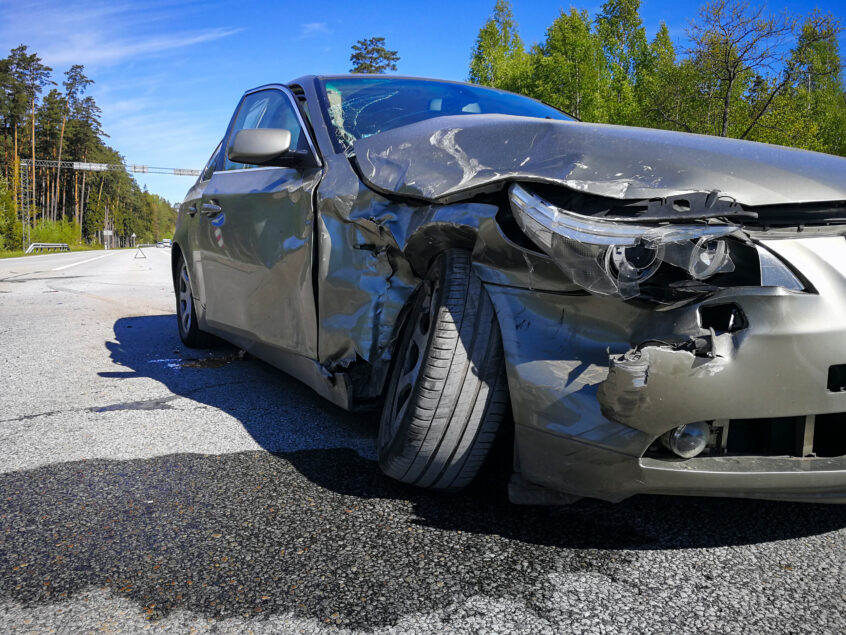
A salvage title follows a vehicle forever. Lenders notice it right away. The car might drive perfectly. It might have passed every inspection and been legally back on the road for years.
Still, the salvage label signals the car was once totaled, and that mark stays forever.
The resale value lowers, and lending risk increases. Sometimes, salvage vehicles can still get you title loans in California. Yet, fewer lenders will touch it. Even the ones who do will look at the vehicle a lot more carefully before saying yes.
What Is a Salvage Title?
A salvage title is issued when insurers declare a car a complete loss after major damage. These can be serious collisions, floods, fires, or theft recoveries.
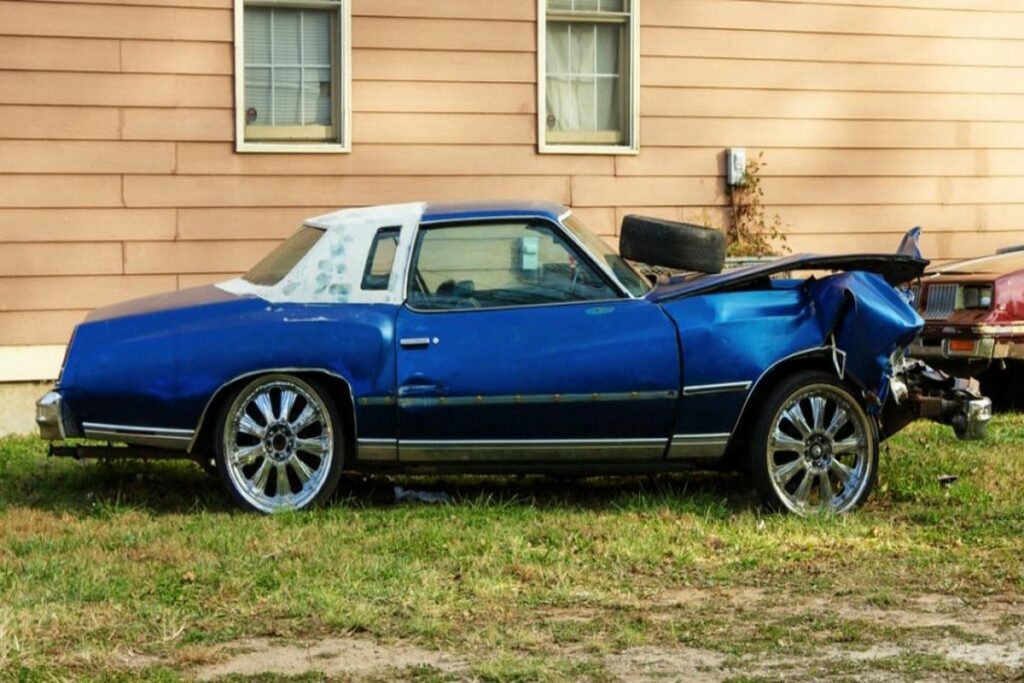
Some vehicles go through repairs and pass state inspections before going back to the road legally. In California, that’s called a rebuilt title. Even if repaired, the salvage mark stays with the vehicle.
Vehicle history makes collateral harder to move if payments stop.
How Do Title Loans Work on Salvage Vehicles?
The process looks quite similar to a standard title loan (but with more scrutiny at each step):
- Step 1: The lender checks your title and registration. The vehicle must be registered in your name. Some lenders stop right here. Salvage titles are an automatic decline.
- Step 2: If the lender is fine with salvage, they assess condition, mileage, repair quality, drivability, and resale value.
- Step 3: Finally, they determine what they’ll offer. Approval doesn’t equal value. Salvage titles bring smaller amounts.
The collateral carries way more uncertainty. So, lenders offering car title loans online price that in.
Why Is Salvage History Important to Lenders?
The core question is: “If the borrower stops paying, what can we recover?”
Salvage vehicles sell for less. They’re harder to move quickly. Plus, they have an inconsistent value: two salvage cars alike on paper can differ in market worth due to past damage.
Salvage vs rebuilt titles get different treatment from the DMV. Lenders mirror that logic because resale and valuation are harder.
Benefits of Salvage Title Loans
Even with strict rules, salvage titles remain viable when value is there:
- Access to Financing- Borrowers may still qualify after traditional financing options fail.
- Easy Online Application- A few of the lenders process easy title loans online. This provides more convenience.
- Faster Approval- Title lending decisions are faster than traditional bank loans.
- Existing Vehicle Equity Use- Repaired salvage titles can still carry practical resale potential.
How to Find the Right Salvage Title Loan Lender?
Not all lenders handle salvage vehicles the same way.
Before applying, check:
- Salvage-title eligibility
- Inspection requirements
- Repayment terms
- Total loan costs
- California lending availability
Some lenders specialize in higher-risk vehicles. Others reject salvage titles outright. Knowing which is which saves time upfront.
FAQs
Will cosmetic flaws influence lender decisions?
Yes. Body damage, missing parts, poor repairs, etc., lower appraisal value.
Is insurance needed for rebuilt or salvage title loans?
Not always. But some lenders demand active insurance first before approving the loan.
Can older salvage vehicles qualify for title loans?
Sometimes. Age alone doesn’t decide approval. Condition and value do.
Loan Approval With Salvage Titles
Approval hurdles and lower values mark salvage‑title lending. Still, some borrowers can qualify if the vehicle is roadworthy and has proper paperwork. Quick Title Loans guides borrowers through salvage and rebuilt loan choices with clarity from the start.